


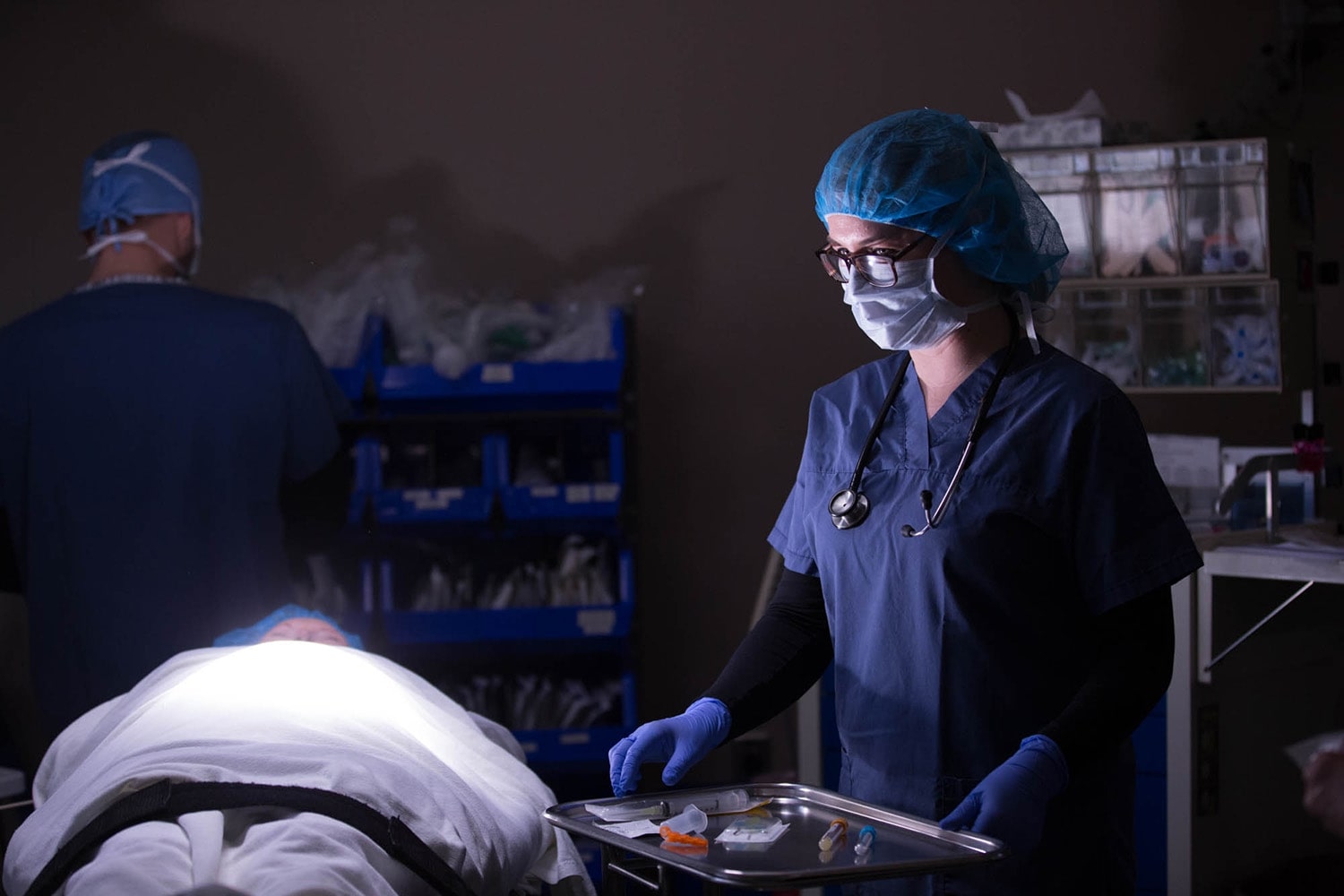
Anesthesia techs play a key support role in operating rooms. They prepare equipment and assist anesthesiologists during procedures. This career offers steady growth in healthcare.
Demand for anesthesia techs rises with more surgeries. The U.S. Bureau of Labor Statistics projects 5% job growth from 2024 to 2034. That’s faster than average for all occupations.
Average salary sits around $50,000 annually. Entry-level roles start at $42,000, with experienced techs earning up to $60,000. Certification boosts pay by 10-15%.
Introduction
Anesthesia techs ensure smooth anesthesia delivery. They handle tools like ventilators and monitors. Without them, surgical teams face delays.
This guide covers entry paths, daily duties, and challenges. It solves real issues like certification hurdles. You’ll get actionable steps for starting out.
Job outlook remains positive. Over 7,000 new positions open by 2034. Aging populations drive this need.
Now, let’s dive into what the role entails. Understanding responsibilities helps you decide if it fits.
Tech Lover Also Read : Aurö: Revolutionizing Sustainable Design and Technology in 2025
Role and Responsibilities of an Anesthesia Tech
Anesthesia techs prep anesthetic machines before surgery. They sterilize IV lines and airway devices. Inventory checks prevent shortages mid-procedure.
During operations, they monitor vital signs. They troubleshoot issues like pump alarms. Quick fixes keep patients safe.
After surgery, they clean equipment. They manage stock and aid patient transfers. This keeps ORs efficient.
Unlike surgical techs, anesthesia techs focus on anesthesia tools. They differ from assistants who handle more clinical tasks. Anesthesia tech roles emphasize support over direct care.
See an anesthesia tech in action here.

How To Prepare an Operating Room for Anesthesia Using the “MS MAIDS” Mnemonic | ND MD
These duties demand precision. Next, explore how to enter the field.
Step-by-Step Path to Becoming an Anesthesia Tech
Start with a high school diploma. Focus on science courses like biology. Gain basic healthcare experience as a CNA.
Enroll in an ASATT-approved program. Options include Johns Hopkins or Stony Brook. These last two years and cover anatomy and pharmacology.
Complete hands-on training. Programs require 500 clinical hours. Shadow in ORs to build skills.
Earn certification via ASATT. Pass the Cer.A.T. exam for entry-level. It tests equipment knowledge and safety.
For advanced, get Cer.A.T.T. This needs ACLS certification. Study pharmacology and troubleshooting.
No state license required. Employers often mandate certification. Earn 30 CEUs every two years to renew.
If no local programs, try online options. New Jersey programs offer virtual components. Relocation isn’t always needed.
With these steps clear, let’s look at must-have skills.
Essential Skills for Success
Master technical tools first. Learn bispectral index monitors. Handle autotransfusion devices daily.
Build communication skills. Coordinate with surgical teams. Clear updates prevent errors.
Develop problem-solving. Fix ventilator issues fast. Use checklists for efficiency.
Follow safety rules. Wear PPE to avoid needlesticks. Report incidents per protocol.
Train via ASATT webinars. Read Sensor magazine for updates. These resources keep you sharp.
Hazards like gas exposure? Use scavenging systems. Vaccinations cut biological risks.
These skills solve on-the-job problems. Now, tackle common challenges head-on.
Solving Common Challenges in the Field
Equipment fails often. For low oxygen flow, check connections. Calibrate sensors step-by-step.
Stress builds from long shifts. Rotate schedules to rest. Ergonomic lifts prevent back strain.
No experience? Volunteer for OR shadowing. Free Coursera courses cover anatomy basics.
Chemical exposure risks? Install proper ventilation. Double-glove for procedures.
Burnout hits hard. Set boundaries on overtime. Join support groups for techs.
Entry barriers loom. Trainee programs bridge gaps. Apply to high-demand spots like New York hospitals.
With solutions in place, consider career growth next.
Career Advancement and Job Outlook
Start entry-level, advance to lead roles. After 2-4 years, teach others. Pursue a bachelor’s in health science.
Specialize in pediatrics or ICU. This raises pay and options. Demand spikes in these areas.
Job growth hits 5% through 2034. Search Indeed for entry jobs. Filter by location and experience.
Adapt to AI tools. ASATT CEUs cover new tech. Stay ahead in evolving ORs.
Future looks solid. More surgeries mean more roles. Now, check salary details.
Salary, Benefits, and Work-Life Balance
Median salary is $50,369 yearly. Hourly rates average $24.22. New York offers higher at $55,000.
Benefits include health insurance. Shift differentials add for nights. Negotiate based on certs.
24/7 demands challenge balance. Choose per diem for flexibility. Flexible shifts help family time.
Low pay early? Gain certs for boosts. Experience adds 10% over time.
Certification visuals aid understanding. Here’s one on the exam process.
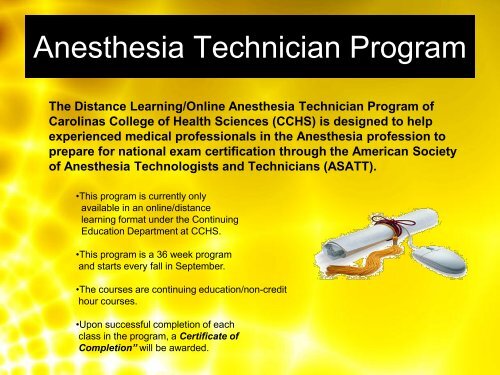
Anesthesia Technician Program – Carolinas HealthCare System
These factors shape your career. Wrap up with key takeaways.
Conclusion
This guide outlines anesthesia tech basics. From roles to advancement, it’s all here. Take action: Join ASATT or apply now.
Enroll in programs today. Certification opens doors. Start solving OR problems soon.
FAQs
What’s the difference between Cer.A.T. and Cer.A.T.T.? Cer.A.T. is entry-level. Cer.A.T.T. requires ACLS for advanced duties.
How long does certification take? 6-12 months post-training. Prep with equipment focus.
Can I become an anesthesia tech without college? Yes, via experience. Trainee programs help.
What’s the biggest on-the-job challenge? Emergencies demand quick thinking. Simulation training prepares you.
Is relocation needed for training? Not always. Programs in MD, NJ, CA work. Virtual options exist.

1 Comment
Pingback: Fixing Transformation Failure: Why I’m Building CapabiliSense