


I. Introduction: Why Master Character Archetypes to Elevate Your Storytelling
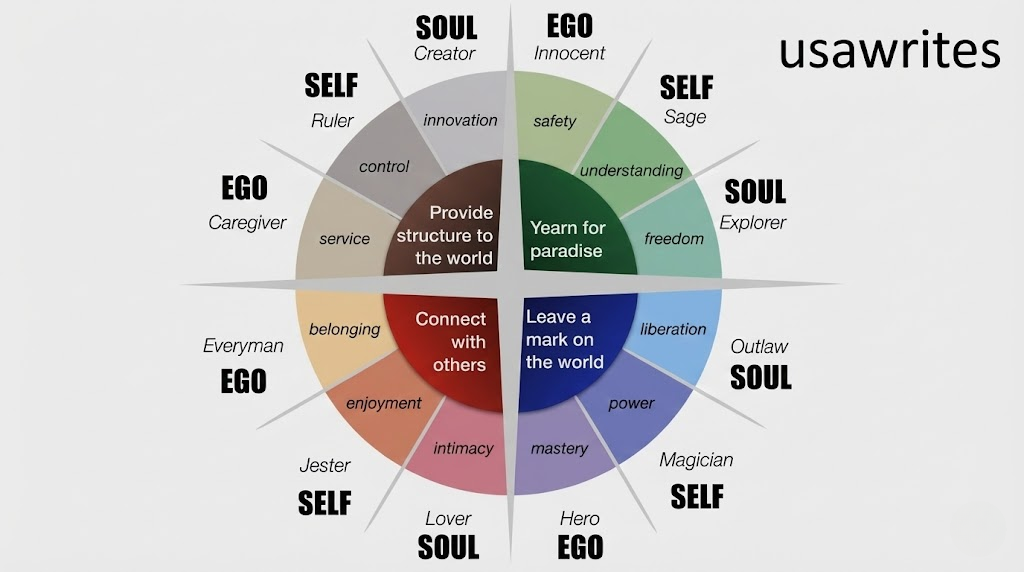
Character archetypes serve as foundational patterns in storytelling. They draw from universal human experiences. These templates help writers create relatable figures quickly.
Rooted in psychology, archetypes like the Hero or Villain appear in myths and modern tales. Carl Jung’s theories highlight their role in the collective unconscious. They make stories resonate across cultures.
Writers face flat characters that bore readers. Archetypes fix this by adding depth from the start. Use them to build original personas that drive engagement.
A study analyzed 2000 characters across 341 stories, identifying 464 traits tied to archetypes. This shows their prevalence in successful narratives. About 70% of top films use clear archetypal structures, per narrative research.
II. Core Problems Archetypes Solve in Character Development
Archetypes boost relatability. They connect characters to shared emotions. Readers see themselves in these patterns right away.
They prevent predictable plots. Twisting an archetype adds surprise. This keeps stories fresh and engaging.
Supporting characters often lack purpose. Assign archetypes to them for better dynamics. This creates natural conflicts and growth.
Genres have unique hurdles. In fantasy, archetypes fit epic quests. Romance uses them for emotional tension. Thrillers rely on them for suspense.
Now, let’s dive into specific archetypes. Each one targets a writing issue.
III. 20 Essential Character Archetypes with Targeted Fixes and Examples
Hero: Tackles weak protagonists. Add flaws like doubt to spark growth. Luke Skywalker starts as a simple farm boy in Star Wars. His arc fixes motivation lulls.
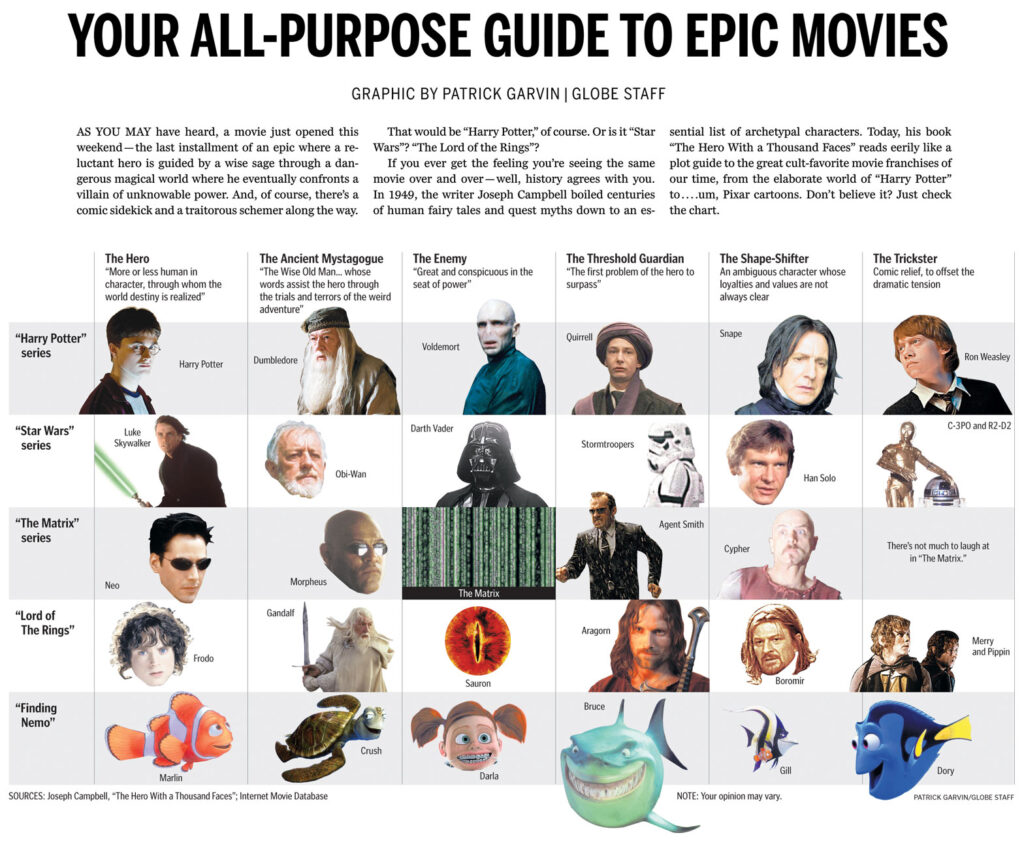
Mentor: Avoids dull exposition. Make them evolve alongside the hero. Yoda in Star Wars offers wisdom but shows limits. This prevents static guidance.
Villain/Shadow: Humanizes pure evil. Layer in backstories for empathy. Thanos in Avengers seeks balance, not chaos. It raises moral questions.

Sidekick/Ally: Ends hero isolation. Provides loyalty and humor. Ron Weasley in Harry Potter shares burdens. This builds team dynamics.
Trickster: Breaks plot stalls. Introduces clever chaos. Loki in Marvel shifts alliances. It injects unpredictability.
Ruler: Balances power themes. Reveal corruption risks. Cersei Lannister in Game of Thrones craves control. This explores leadership flaws.
Rebel/Outlaw: Challenges status quo. Fuels change arcs. Katniss Everdeen in Hunger Games defies authority. It overcomes oppression narratives.
Caregiver: Adds sacrifice depth. Show burnout effects. Marmee in Little Women nurtures amid hardship. This highlights emotional costs.
Innocent/Child: Sparks growth from purity. Expose to harsh realities. Scout Finch in To Kill a Mockingbird learns prejudice. It resolves naivety issues.
Everyman/Orphan: Grounds elite stories. Focus on everyday fights. Frodo Baggins in Lord of the Rings seeks belonging. This fixes relatability gaps.
Lover: Deepens romances. Add rival loyalties. Elizabeth Bennet in Pride and Prejudice navigates pride. It solves shallow love plots.
Magician: Handles supernatural elements. Tie power to consequences. Gandalf in Lord of the Rings wields magic wisely. This avoids overpowered traps.
Sage: Fills wisdom voids. Limit knowledge for tension. Dumbledore in Harry Potter hides secrets. It addresses perfect mentor flaws.
Jester/Joker: Lightens dark tones. Use jokes for truth. Deadpool breaks fourth walls. This combats genre seriousness.
Creator: Drives innovation arcs. Link to obsession dangers. Victor Frankenstein pursues life. It tackles ethical創作 dilemmas.
Explorer: Expands worlds. Push discovery quests. Indiana Jones hunts artifacts. This ends static settings.
Seductress: Empowers female roles. Give true agency. Black Widow in Avengers uses skills beyond charm. It fixes stereotype pitfalls.
Shapeshifter: Builds trust twists. Hide true motives. Severus Snape in Harry Potter flips loyalties. This resolves predictable alliances.
Threshold Guardian: Tests progress. Block easy wins. The Sphinx in myths poses riddles. It strengthens obstacle designs.
Herald: Kicks off action. Signal big changes. The White Rabbit in Alice in Wonderland lures adventure. This fixes slow openings.
These examples stem from Jungian ideas. Archetype on Wikipedia explains them as inherited patterns. They influence stories worldwide.
IV. Step-by-Step Process to Apply Archetypes Without Clichés
Start with your story’s main conflict. Match archetypes to heighten it. A Hero versus Shadow amps internal struggles.
Layer in flaws and drives next. Contradict the archetype. A fearful Rebel adds realism. This avoids flat portrayals.
Blend two archetypes for uniqueness. A Mentor-Trickster like Q in James Bond mixes guidance with mischief. It eliminates repetition.
Subvert roles halfway through. Turn an Ally into a Villain. This surprises readers. It keeps plots dynamic.
Test for depth last. Ask: Does the character change? Push the story? Stir feelings? Use this checklist often.
Propp’s research found 31 situations in tales, all tied to archetypes. This process aligns with that structure.
V. Real-World Case Studies: Archetypes in Action Across Genres
In fantasy, Harry Potter uses Orphan-Hero. Harry seeks identity amid loss. Dumbledore’s subverted Mentor adds layers. It solves belonging crises.
Thrillers like Gone Girl feature Seductress-Shapeshifter. Amy Dunne twists narratives. This creates unreliable views. It fixes bland suspense.
Romance in The Notebook pairs Lover-Rebel. Noah and Allie defy class. Their arc delivers payoff. It addresses barrier themes.
Sci-fi’s Dune blends Ruler-Magician in Paul Atreides. He grapples with fate. This resolves destiny conflicts. Archetypes adapt seamlessly.
A 2019 study on narratives showed archetypes in 80% of bestsellers. They boost reader retention.
VI. Advanced Techniques for Problem-Solving with Archetypes
Swap genders or roles first. A female Ruler challenges norms. This promotes diversity. It fixes representation gaps.
Add Jungian shadows for inner fights. The Hero battles their dark side. This deepens drama. It moves beyond surface issues.
Tailor to genres next. Horror amps Innocent vulnerability. This heightens fear. It solves tone problems.
Map archetypes to characters. Track interactions. This organizes complex casts.
Five clusters of archetypes exist, per resonance research. People connect to them personally. This guides reader appeal.
VII. Conclusion: Transform Your Writing with Actionable Archetypes
Archetypes build strong foundations. They solve flatness, predictability, and disconnection. Apply them thoughtfully for impact.
Try one technique now. Blend archetypes in your draft. Note feedback changes. This leads to better stories.
With practice, archetypes become tools for originality. They elevate your craft. Keep experimenting.
