


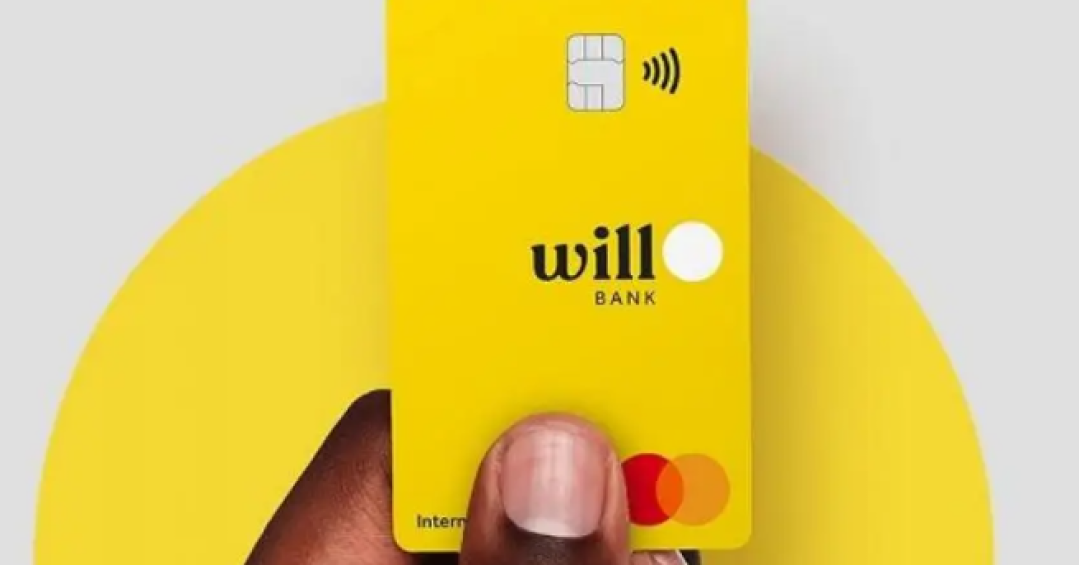
You have Nubank, Inter, C6, and a dozen others fighting for space on your phone screen. But Will Bank—the “yellow bank” formerly known as Meu Pag!—claims to be different. They aren’t just offering a card; they promise to solve the single biggest headache for millions of Brazilians: access to credit.
If you are tired of getting rejected by traditional banks or stuck with a pitiful R$ 50 limit, this review is for you.
We are going to strip away the marketing hype.
We will look strictly at the mechanics of their credit approval, the safety of your money, and whether the “Plim!” gamification actually works or if it’s just a gimmick.
Is Will Bank Safe? (Trust & Security Analysis)
This is the first question you should ask before downloading any fintech app.
You don’t want to deposit your hard-earned salary into an app that might disappear tomorrow. The short answer is: Yes, Will Bank is safe.
Here is the breakdown of why you can trust them with your money.
Regulatory Backing
Will Bank is not a “bank” in the traditional sense, but a Payment Institution authorized and regulated by the Central Bank of Brazil. This means they must follow strict capital rules. Your money in the account is separate from the bank’s own assets. If Will Bank were to go bankrupt, your account balance is legally protected and cannot be touched by their creditors.
The Powerhouse Investor
Unlike smaller fintechs operating out of a garage, Will Bank has massive institutional backing. In 2021, XP Investimentos—one of Latin America’s largest brokerage firms—acquired a minority stake in Will Bank.
When a giant like XP puts money into a fintech, they do extensive due diligence. Their involvement adds a layer of scrutiny and stability that smaller competitors simply don’t have.
Technical Security
The app uses standard high-level encryption for all transactions.
- Facial Recognition: Mandatory for opening accounts and verifying sensitive transactions.
- Virtual Card: You can instantly block your physical card and use a virtual one for online shopping, drastically reducing fraud risk.
The “Plim!” Factor: Solving the Credit Limit Problem
Most digital banks use a “black box” algorithm to decide your limit. You apply, get rejected, and they never tell you why.
Will Bank tries to solve this with transparency and gamification.
How the “Plim!” Works
The “Plim!” isn’t just a sound effect; it is a logic system designed to help you prove your creditworthiness. Instead of relying solely on a generic credit score (like Serasa), Will Bank looks at your internal behavior.
They often set specific “missions” or implied tasks for users with low limits:
- Bill Payment: Paying your invoice before the due date.
- Concentration: Moving your Pix keys and salary portability to Will.
- Utilization: Using at least 50-60% of your current limit and paying it off.
The Strategy for Approval
If you are stuck with a low limit (e.g., R$ 100), the fastest way to trigger a “Plim!” (limit increase) is to use the card for small daily purchases and pay the bill instantly, sometimes even weekly. This high turnover signals to their algorithm that you have cash flow but are constrained by the limit.
Unlike traditional banks that review limits quarterly, Will’s system is designed to react faster to positive behavior, often granting increases within 1-2 billing cycles for active users.
Will Bank Credit Card: Features vs. Hidden Costs
Let’s talk about your wallet. The Will Bank card is an International Mastercard, meaning it works globally and earns points in the Mastercard Surpreenda program.
But is it truly free?
The “Free” Promises
- Anuidade (Annual Fee): R$ 0.00. Always.
- Account Maintenance: R$ 0.00.
- Pix & TED Transfers: Free and unlimited.
The Hidden Costs (Where They Make Money)
You need to be careful with two specific fees.
- Saque (Withdrawal): Unlike traditional banks where you might get a few free withdrawals, Will Bank charges around R$ 6.70 per withdrawal on the Banco24Horas network. If you use cash frequently, this bank is not for you.
- Rotativo (Revolving Credit): If you pay the minimum on your bill, the interest rates are steep—often exceeding 14-18% per month. This is standard for Brazil, but lethal for your finances. Never use the revolving credit feature if you can avoid it.
Will Bank vs. Nubank vs. Inter: The Showdown
You likely have these other apps installed. Which one deserves your loyalty?
| Feature | Will Bank | Nubank | Banco Inter |
| Approval Odds | High (Best for low score) | Medium | Medium/High |
| Limit Increases | Gamified (“Plim!”) | Algorithmic (Slow) | Investment-based |
| Withdrawals | Paid (R$ 6.70) | Paid (R$ 6.50) | Free |
| Investments | Basic (CDB/Account) | Advanced | Complete Platform |
| Shopping | Basic Store | Shopping Nu | Super App (Huge cashback) |
The Verdict:
- Choose Banco Inter if you want a “Super App” for investments and free withdrawals.
- Choose Nubank if you want the best customer service and a polished app interface.
- Choose Will Bank if your primary goal is getting approved for credit when others have said “no.” They are the most aggressive player in the “unbanked” or “negativado” market.
User Experience & The App (The Daily Driver Test)
The app design is distinctively yellow. It’s loud, but is it functional?
Navigation
The interface is simpler than Nubank’s. You don’t have to dig through menus to find your Pix area or credit card bill. It is designed for a mobile-first population that might not be tech-savvy. Everything is large, legible, and direct.
Customer Support Reality
This is the weak point.
While they have a chat feature, response times can lag during peak hours (paydays). Unlike the premium support of high-tier traditional bank cards, you are largely reliant on the in-app chat bot for basic queries. Human escalation can take time.
Virtual Cards
One excellent feature is the ability to generate up to 5 virtual cards. You can have one specifically for Uber, one for Netflix, and one for risky websites. If the Netflix card data leaks, you delete it without canceling your main physical card.
Additional Financial Products
Will Bank is slowly expanding beyond just a card.
Yield on Account
Money sitting in your account earns interest. Typically, this is pegged to 100% of the CDI (Interbank Deposit Certificate). This beats the traditional “Poupança” (Savings) significantly. Currently, with Brazil’s Selic rate high, leaving money in your Will account is a decent passive investment, though it does apply IOF tax if withdrawn in the first 30 days.
FGTS Anticipation
They aggressively market the “Saque-Aniversário” anticipation. You can advance up to 10 years of your FGTS (severance fund) withdrawal.
- Warning: The interest rate on this is lower than a personal loan, but you are eating into your future security. Only do this in genuine emergencies.
Conclusion: Should You Open a Will Bank Account?
Will Bank is a tool, and like any tool, it works best when used for its specific purpose.
Green Light (Sign Up If):
- You have a low credit score or “nome sujo” and need a fresh start.
- You want a simple, no-fee account for daily Pix and bill payments.
- You enjoy the gamified approach to increasing your credit limit.
Red Light (Skip If):
- You need frequent cash withdrawals (the fees will kill you).
- You are a heavy investor looking for stocks, FIIs, or crypto (Inter or XP are better).
- You demand instant telephone support.
Next Step:
If you decide to apply, download the app and focus on your first 3 months. concentrate your spending, pay early, and wait for the “Plim!”. It is your best shot at building a healthy credit history in 2026.

1 Comment
Pingback: 3i Atlas Update: Alien Signal Verdict