



Valentine’s Day falls on February 14 each year. It celebrates love in many forms. The true meaning centers on sacrificial love and devotion. It began with a Christian martyr who defied rules to help couples marry. Over time, what is the true meaning of valentine’s day, it mixed with older rituals and turned into today’s gift-focused holiday.
In 2026, Americans are projected to spend a record $29.1 billion on Valentine’s Day. That’s up from $27.5 billion in 2025, according to the National Retail Federation (NRF). Most of that money goes to candy, cards, flowers, and dinners. But the day started far from stores.
The roots reach back to ancient Rome. This is where the story gets interesting—let’s look at those early beginnings.
The Ancient Roman Roots
February 14 ties to mid-February Roman festivals. Lupercalia ran from February 13 to 15. Priests sacrificed goats and dogs for purification. They cut hides into strips and whipped women to boost fertility. Young men also drew names to pair with women for the year.
Pope Gelasius I ended Lupercalia in 496 AD. He may have replaced it with a feast for Saint Valentine. The timing matched to shift pagan customs to Christian ones. No direct proof links the two perfectly, but the overlap in dates and themes is clear.
This explains the “dark” side people mention. Fertility rites involved blood and rituals. Modern Valentine’s Day keeps hearts and love, but lost the raw origins.
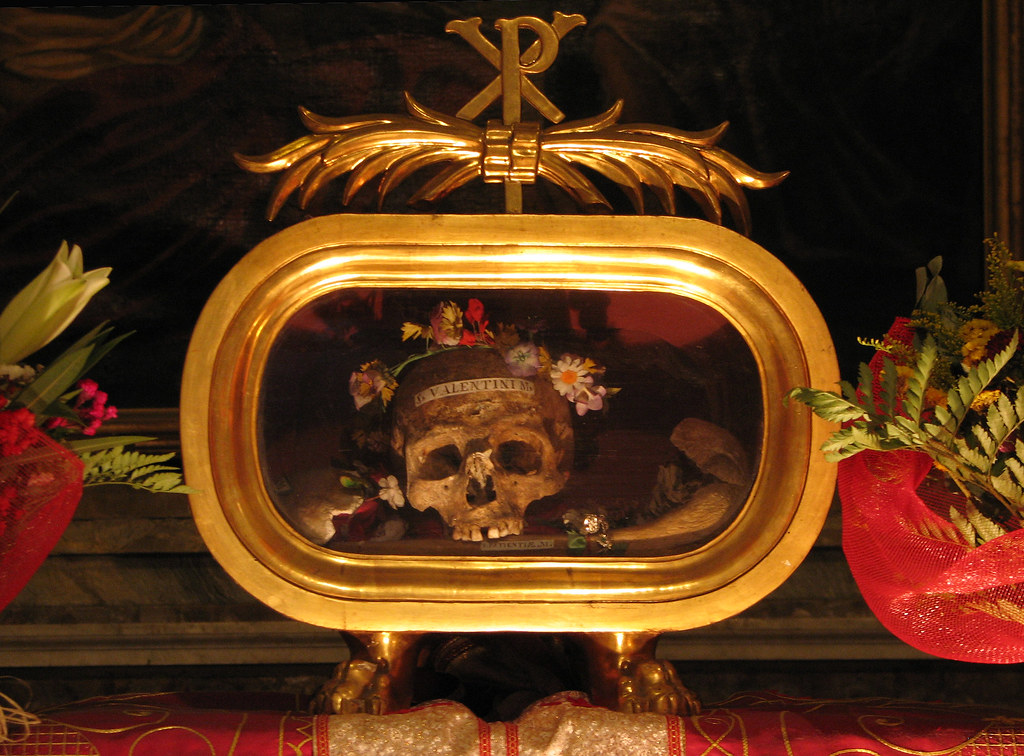
Relics of Saint Valentine preserved in Rome—a reminder of the martyr behind the day.
These ancient ties show Valentine’s Day wasn’t invented by card companies. It evolved from real historical events. Next, who exactly was this Saint Valentine?
Who Was Saint Valentine?
At least two men named Valentine were executed around 270 AD. One was a priest in Rome. The other a bishop in Terni. Many historians think they might be the same person.
The priest helped Christians during persecution. Legend says he healed a jailer’s blind daughter. Before his death, he wrote her a note signed “From your Valentine.” That’s the first known valentine message.
He also secretly married soldiers. Emperor Claudius II banned marriages for young men. He wanted them focused on war, not family. Valentine defied the ban. He was beheaded on February 14.
The Catholic Church honored him for centuries. In 1969, they removed his feast day from the official calendar. Not enough solid evidence remained about his life. The legends stuck anyway.
For more details on the saint, check the Saint Valentine Wikipedia page.
These stories highlight sacrifice. Valentine risked—and lost—his life for love and faith. This core idea shaped the day’s meaning. But how did it become romantic?
The Evolution into a Romantic Holiday
Romance entered in the Middle Ages. Geoffrey Chaucer wrote a poem in 1382. It linked February 14 to birds choosing mates. That started the idea of courtly love on this date.
By the 1400s, people exchanged handwritten notes. Shakespeare mentioned valentines in his plays. The shift grew stronger.
In the 1800s, things changed fast. Esther Howland started mass-producing cards in the US in the 1840s. She used lace and ribbons. Richard Cadbury introduced heart-shaped chocolate boxes in 1868. Necco made the first conversation hearts in 1866.
Cards sent worldwide now number about 145 million each year. That’s not counting school kids’ exchanges.
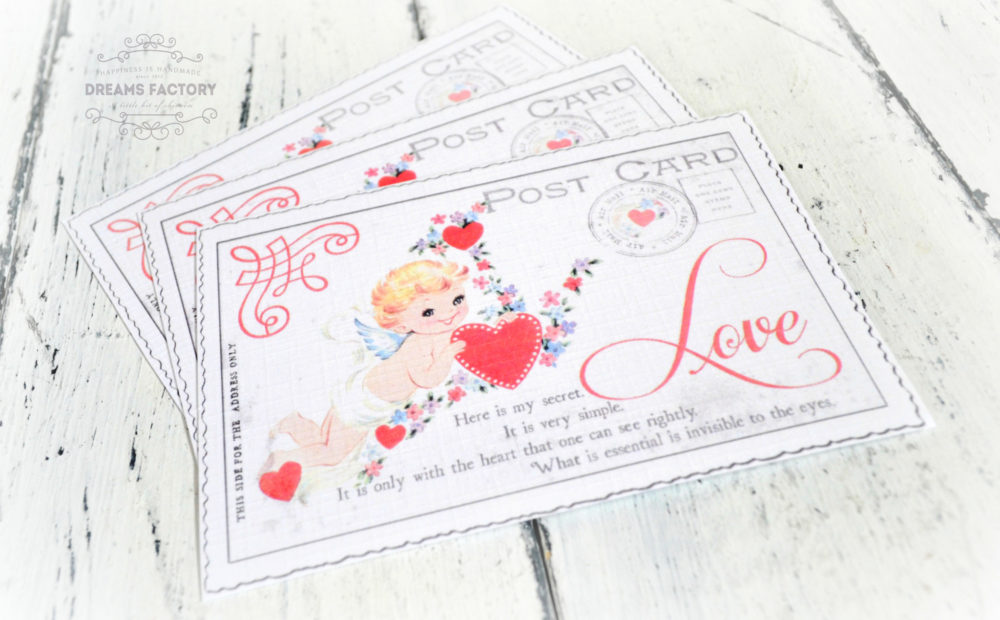
A vintage Victorian Valentine’s Day postcard, showing the start of commercial cards.
Commercial growth was huge. But the meaning expanded too. Today, it’s not just romantic love. Many celebrate friends, family, even pets. In the US, pet spending on Valentine’s hits over $1 billion some years.
Cultures vary. Japan has women giving chocolate to men on February 14. Men return gifts on March 14. Some countries ban public celebrations for cultural reasons.
Here’s a quick timeline of changes:
| Era | Key Focus | Main Elements |
|---|---|---|
| Ancient Rome | Fertility and purification | Lupercalia rituals |
| 3rd Century AD | Martyrdom and sacrifice | Saint Valentine’s executions |
| Middle Ages | Courtly romance | Poems and early notes |
| 19th Century | Commercial gifts | Cards, chocolates |
| Today | Inclusive love | All relationships, experiences |
This evolution shows flexibility. The day adapts. But the true meaning? It’s about genuine connection over buying things.
The True Meaning Today
Strip away the ads. Valentine’s Day honors love that costs something. Like the saint giving his life. Or ancient rites marking new beginnings.
Symbols have roots too. Hearts come from medieval art. Cupid from Roman gods. Roses tied to Venus. Doves meant fidelity in old stories.
Myths to clear up: It’s not purely pagan or just Christian. It’s a blend. And no, Hallmark didn’t invent it—they just sold a lot of cards.
In a world of quick texts, the day reminds us to show care intentionally. Not with price tags. With time and words.
That leads to practical ways to celebrate meaningfully.
How to Celebrate Valentine’s Day with Authentic Meaning
Write a real letter. Recall the saint’s note to the jailer’s daughter. Put feelings on paper. It’s personal and lasts.
Focus on acts of service. Help with something needed. Cook a meal. Listen without distractions.
Make DIY gifts. Create a photo book. Or a playlist of meaningful songs. Tie back to Victorian handmade cards.
Include everyone. Send notes to friends or family. Celebrate self-love with a quiet day.
Try a kind deed lottery. Write small favors on slips. Draw one to do. A gentle nod to old pairing rituals—without the whips.
These keep the spirit alive. Sacrificial, devoted love. Not spending records.
Wrapping It Up
The true meaning of Valentine’s Day mixes history, sacrifice, and connection. From Roman festivals to a martyr’s stand. From poems to global traditions.
Reclaim it this year. Choose depth over displays. Your relationships will feel the difference.
What does Valentine’s Day mean to you? Try one authentic idea and see.
Quick FAQs
What’s the dark history? Lupercalia involved animal sacrifices and fertility rites. It influenced the timing.
Why was Saint Valentine executed? He performed secret marriages against the emperor’s ban.
Is Valentine’s Day a real holiday? It started as a Christian feast day. Now it’s cultural, not federal in most places.
How has the meaning changed? From fertility and martyrdom to inclusive, often commercial love.
