



The Black Mouth Cur is a rugged, multi-purpose working dog originating from the American South. Bred primarily for herding cattle and hunting wild boar, this breed is defined by its high energy, intense loyalty, and a distinct black melanistic mask. They are not recognized by the AKC, but they are a standardized breed with consistent traits, not a random mix.
These dogs are strictly for active owners. A Black Mouth Cur requires significant physical work and mental engagement daily. Without a “job,” they become destructive. They typically weigh between 40 to 95 pounds and live 12 to 16 years. Their temperament is a unique combination of fearless drive in the field and extreme sensitivity to their handler’s emotions.
Key Breed Statistics
| Trait | Specification |
| Origin | Southern USA (Mississippi, Alabama, Florida) |
| Weight | 40–95 lbs (Males are significantly larger) |
| Lifespan | 12–16 Years |
| Energy Level | Very High (Needs 60+ mins active work daily) |
| Coat | Short, dense, weather-resistant |
This breed is often misunderstood. While they look like tough utility dogs, their psychology is complex. Understanding this nuance is the difference between a loyal companion and an unmanageable animal.

Identification: Is Your Dog a Black Mouth Cur?
Identifying a Black Mouth Cur involves more than just looking for a yellow dog. The hallmark feature is the muzzle. The “Black Mouth” name refers to the dark pigmentation on the muzzle and the inside of the mouth (including the gums and roof). However, the extent of this black mask varies. In some lines, the mask is faint or absent, though this is less common.
The body structure is distinct from other curs or shepherds. They possess a square build with drop ears that hang close to the head. Unlike the Rhodesian Ridgeback, a breed they are frequently confused with, Black Mouth Curs never have a ridge of hair running backward along the spine. Ridgebacks are generally heavier (85+ lbs), whereas a female Cur can be a lean 40 pounds.
Coat color is usually yellow, fawn, or red, but brindle and black variations exist. The coat texture is coarse and lies flat against the body. If your dog has a fluffy tail or prick ears, it is likely a mix, not a purebred Cur.
Physical identification is only the first step. The true test of the breed lies in its contradictory temperament.
Temperament: The “Sensitive Guardian” Paradox
The most critical behavioral trait of the Black Mouth Cur is the disconnect between their physical toughness and emotional sensitivity. In the field, they will face down a 200-pound boar without hesitation. In the home, a harsh word or raised voice from their owner can cause them to “shut down” completely.
They are territorial and naturally protective. Unlike a Golden Retriever that greets everyone, a Cur will watch the fence line and bark at strangers. They bond intensely with their immediate family. This “velcro dog” behavior means they will follow you from room to room. They do not do well with isolation and are prone to separation anxiety if left alone for long periods (8+ hours).
With children, they are known to be tolerant and protective. However, this protective instinct can be problematic. A Cur may misinterpret roughhousing between their “own” child and a visiting friend as a threat, leading them to intervene. Supervision is mandatory when new people are in the house.
This sensitivity directly dictates how you must handle them, which leads us to training.
Training: The “Goldilocks” Method
Training a Black Mouth Cur requires a specific balance. They are highly intelligent but possess a low tolerance for repetitive drills. If you ask a Cur to “sit” ten times in a row, they will likely stop responding by the fifth time because they see no point in it.
The Sensitivity Factor
You cannot train this breed with heavy-handed dominance. Physical correction or shouting will damage the trust bond. Once a Cur loses trust in you, it is nearly impossible to regain it. They will sulk, avoid eye contact, and refuse commands.
The Stubbornness Factor
Conversely, being too permissive is also a failure. They are dominant dogs by nature. If you do not set clear boundaries, they will assume the leadership role.
Effective Training Strategy:
- Keep sessions short: 5 to 10 minutes maximum.
- Use positive reinforcement: Treats and praise work best.
- Socialize early: Between 8 and 16 weeks, expose them to as many strangers and other dogs as possible to combat their natural suspicion.
If training is the software, exercise is the hardware. Without burning off their energy, training will not stick.
Energy & “Jobs”: Avoiding Destruction
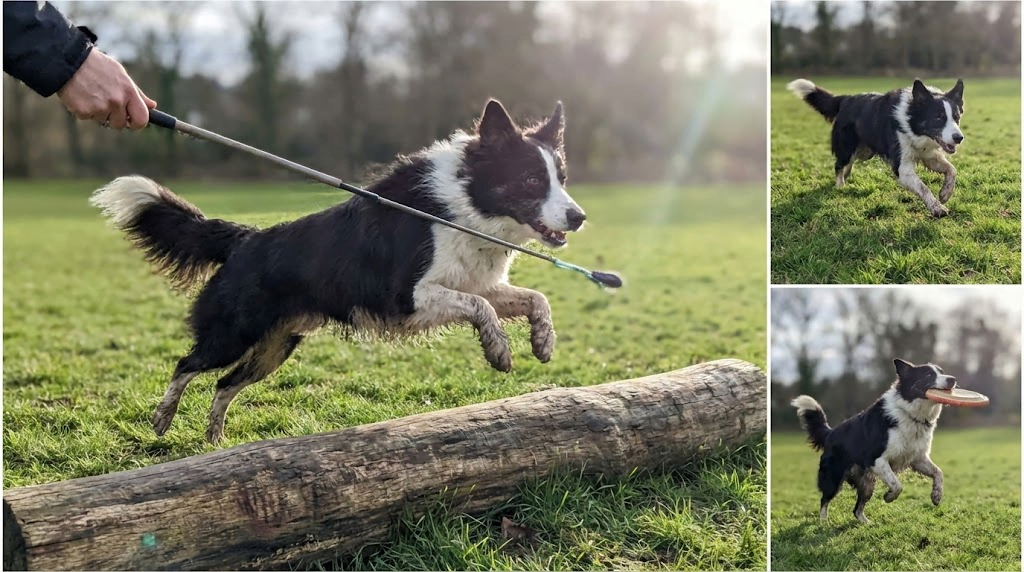
A Black Mouth Cur is not a pet; it is a colleague. Statistics show that working breeds are the most likely to be surrendered due to “behavioral issues” that are actually just boredom. A walk around the block is insufficient. These dogs were bred to work from sunrise to sunset in humid swamps.
Actionable “Jobs” for Suburban Owners:
- Scent Work: Hide treats or specific scented toys in the yard. This engages their brain, which tires them out faster than running.
- Flirt Pole: Use a pole with a lure attached to simulate the chase. This satisfies their high prey drive in a controlled environment.
- Backpack Walks: Have the dog wear a weighted dog backpack (carrying water or their own waste bags) during walks to increase physical exertion.
If you do not provide a job, they will create one. Usually, that “job” involves excavating your garden, chewing through drywall, or barking at every leaf that blows across the lawn.
Health & Lifespan
The Black Mouth Cur is genetically diverse and generally healthier than many purebreds due to breeding for function rather than aesthetics. They typically live 12 to 16 years, which is long for a medium-to-large breed.
Common Health Issues:
- Ear Infections: Their drop ears trap moisture and dirt. You must clean their ears weekly, especially if they swim.
- Hip Dysplasia: Like most active dogs, joint issues can arise. excessive jumping on hard surfaces should be limited until they are fully grown (around 18 months).
- Skin Allergies: Some lines are prone to itchy skin or mange. Regular grooming and high-quality food can mitigate this.
The Verdict: Who Should Own One?
The Black Mouth Cur is an exceptional dog for the right person, but a disaster for the wrong one.
You should get this breed if:
- You are an experienced dog owner who understands dog body language.
- You have a large, fenced yard.
- You want a dog that is deeply involved in your daily life and activities.
- You are willing to invest time in training and socialization.
You should avoid this breed if:
- You are a first-time dog owner.
- You live in an apartment or without a yard.
- You want a passive dog that sleeps on the couch all day.
- You use harsh training methods.
Owning a Black Mouth Cur is a commitment to a lifestyle. They are demanding, intense, and require patience. But in return, they offer a level of loyalty and protection that few other breeds can match. If you can respect their sensitivity and meet their physical needs, you will have a partner for life.

1 Comment
Pingback: Kianna Underwood : ‘All That’ Star Dies in Hit-and-Run