



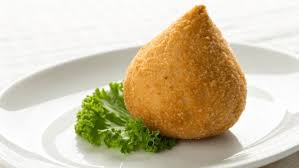
The first bite is a revelation. A shatteringly crisp, golden shell gives way to a soft, savory dough. Inside, a creamy, flavorful filling of shredded chicken and cheese warms your mouth. This is coxinha, Brazil’s most iconic street food and party snack.
More than just fried food, the coxinha is a cultural institution. Its name means “little thigh” in Portuguese, a nod to its distinctive drumstick shape. In Brazil, you’ll find them everywhere—from glass displays in every lanchonete (bakery) to piled high on platters at birthday parties. An estimated 40,000 lanchonetes across Brazil sell them daily.
This guide provides a comprehensive look at the coxinha. You will learn its surprising history, understand its key components, and master a reliable recipe with expert troubleshooting. We will also explore its many variations and the proper way to enjoy it.
The History and Cultural Significance
The most enduring origin story dates to the 19th century. Legend says it was created in the kitchen of the Brazilian Imperial family. Princess Isabel’s son, a young prince, was especially fond of chicken drumsticks. One day, the palace cooks found themselves short of thighs. To please the picky prince, a resourceful cook shredded available chicken meat, shaped it into a drumstick form, covered it in dough, and fried it. The prince adored it. The “little thigh” was born.
While historians debate this tale, its cultural truth is undeniable. The coxinha evolved from potential palace fare to the people’s snack. It represents Brazilian ingenuity—transforming simple, affordable ingredients into something extraordinary. Today, it is the undisputed star of any festinha (little party) and a staple of working-class lunch breaks, often costing less than $1 USD at a local bakery.
The Anatomy of a Perfect Coxinha
Understanding its three-part construction is the key to making or judging a great coxinha.
1. The Filling (Recheio)
The classic filling is shredded, stewed chicken thigh meat, prized for its flavor and moisture. It is meticulously mixed with catupiry, a uniquely Brazilian soft, tangy cream cheese. Seasonings like onions, garlic, parsley, and sometimes tomatoes or olives are sautéed and folded in. The texture should be moist and cohesive, not dry or watery.
2. The Dough (Massa)
This is the coxinha’s defining technical element. It is not a bread dough. It’s a choux pastry-like dough made by cooking wheat flour in richly flavored chicken broth and sometimes milk or butter. When done correctly, this creates a smooth, pliable paste that can be molded, holds the filling securely, and fries to a soft, slightly chewy interior.
3. The Coating and Frying
The shaped dough is dredged in wheat flour, dipped in beaten eggs, and rolled in fine breadcrumbs (farinha de rosca). This triple layer ensures an even, supremely crunchy crust when fried at the correct temperature. The result is a perfect textural contrast: crunchy outside, soft inside, creamy center.
Step-by-Step Recipe with Expert Troubleshooting
Follow this method to achieve authentic results at home.
Ingredients (Makes 15-20):
Dough: 2 cups chicken broth, 1 cup milk, 2 tbsp butter, 2.5 cups all-purpose flour, salt.
Filling: 2 cups shredded cooked chicken, 1 cup catupiry (or sub. cream cheese + sour cream), 1 small onion, 2 garlic cloves, olive oil, parsley, salt, pepper.
For Coating: 1 cup flour, 2 eggs, 2 cups fine breadcrumbs, oil for frying.
The Process:
1. Master the Dough (The Critical Step)
In a pot, bring the broth, milk, butter, and salt to a boil. Reduce heat to low and add all the flour at once. Stir vigorously with a wooden spoon. The mixture will form a ball that pulls away from the pan sides. This is the “cleans the pan” stage. Transfer to a greased surface, knead briefly, cover, and let cool.
Troubleshooting the Dough:
- Too sticky? You may have added insufficient flour or not cooked it long enough. While still warm, knead in a little more flour until manageable.
- Too dry and cracking? The dough was over-cooked or has too much flour. Knead in a small amount of warm broth or milk, one teaspoon at a time.
2. Prepare the Filling
Sauté diced onion and garlic in oil until soft. Add shredded chicken, season well, and cook for 2 minutes. Turn off heat and fold in the catupiry and chopped parsley. Let cool completely before assembling.
3. Shape the Coxinhas
Take a portion of dough (about 2 tbsp), flatten it in your oiled palm. Place a teaspoon of filling in the center. Encase the filling and pull the dough upward, shaping it into a teardrop/drumstick form. Ensure the dough layer is even and completely sealed.
Troubleshooting Shaping:
- Filling leaks during frying? The seal is not tight or the dough layer is too thin at the bottom. Ensure no filling touches the outer surface before coating.
4. Coat and Fry
Roll each shaped coxinha in plain flour, dip in beaten egg, then roll thoroughly in breadcrumbs. Heat vegetable oil to 350°F (180°C) in a deep pot. Fry 3-4 at a time, turning, for 4-5 minutes until deep golden brown. Drain on a rack.
Troubleshooting Frying:
- Coxinha bursts? Oil is too hot, causing steam to expand too quickly. Or, the filling was too wet.
- Greasy or pale? Oil temperature is too low, causing oil absorption. Use a thermometer.

Beyond the Classic: Regional & Modern Variations
While the chicken version reigns supreme, Brazil’s diverse cuisine offers many twists.
By Filling:
- Coxinha de Carne Seca: Features shredded, salted dried beef.
- Coxinha de Calabresa: Filled with spicy, diced calabresa sausage.
- Coxinha de Palmito: Hearts of palm filling, a popular vegetarian option.
- Coxinha de Frango com Requeijão: Uses a different Brazilian cream cheese.
By Style:
- Coxinha Paulista: A São Paulo giant, often plate-sized, with more filling.
- Coxinha de Mandioca: Dough made with cassava flour, offering a gluten-free alternative with a distinct chew.
- Baked Coxinha: A lighter version for health-conscious cooks, though texture differs.
How to Eat Coxinha Like a Brazilian
Context completes the experience. Brazilians typically enjoy coxinha as a midday snack or party food, not a main meal. It is almost always accompanied by a small condiment. The classic is a simple pimenta (hot pepper sauce) or a slightly acidic homemade tomato sauce (molho de tomate caseiro). A squeeze of lime is also common.
The drink pairing is non-negotiable: a very cold, draft lager beer (chopp) is the traditional match. For non-alcoholic choices, the national Guaraná soda or fresh orange juice are excellent.
Frequently Asked Questions (FAQs)
Can I bake coxinhas instead of frying?
Yes, but expect a different texture. Bake at 400°F (200°C) on a greased rack for 25-30 minutes until golden, brushing lightly with oil first. The crust will be drier, not as uniformly crisp.
Can I freeze coxinhas?
Yes, effectively. Assemble and bread them, then freeze in a single layer before bagging. Fry directly from frozen, adding 1-2 extra minutes to cooking time.
What’s the difference between coxinha and bolinho de frango?
The shape is the main difference. Bolinho means “little ball,” and as the name implies, it’s a round, fried ball containing a similar chicken filling.
Is there a vegan coxinha?
Absolutely. The filling can be made with jackfruit, hearts of palm, or soy protein. The dough can use vegetable broth, and coatings are naturally vegan. Finding a vegan cheese that melts well is the key challenge.
Conclusion
The coxinha is a masterpiece of Brazilian culinary culture—a humble snack with a regal legend. Its perfect balance of textures and flavors explains its enduring popularity. By understanding its history, mastering its technique with our troubleshooting tips, and exploring its variations, you can bring an authentic taste of Brazil to your own kitchen. The process is a labor of love, but the reward is in that first, perfect, crunchy bite.
